Over the past few weeks, I have been suggesting various exercises to explore the creative endeavor. We have been gathering tools to support our projects and provide the framework for success in the coming months.
This week I want to explore a more fundamental question. Why does the urge to create resonate so strongly within your heart? This question can be enlarged, too. Why is the need to create art a universal trait? Why does humanity yearn to improve upon their surroundings? Where does this impulse spring forth, to alter our environment in a more pleasing pattern?
I have been looking at how artists touch the natural world this week. Emily L. Quint Freeman describes private gardens as “both art and autobiography, a landscape of self-expression combined with a love for natural beauty,” in her article for the most recent issue of “Gay and Lesbian Review.”
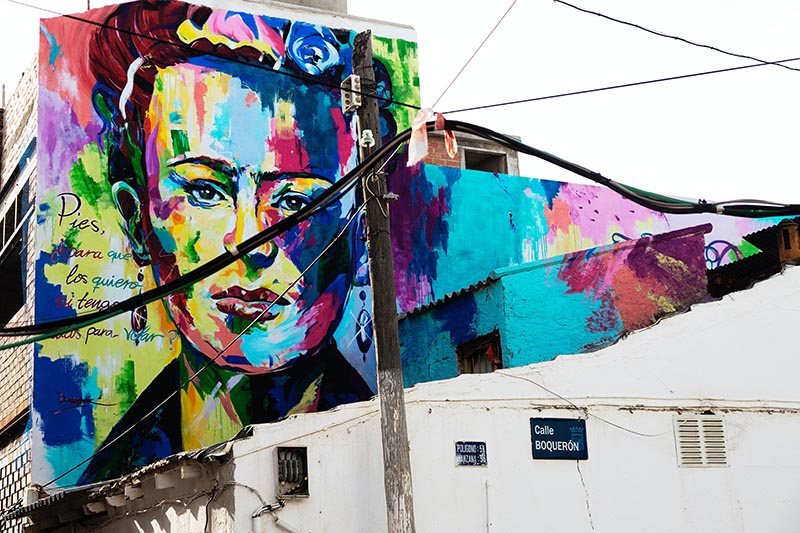
I have been pouring over images of Frida Kahlo’s courtyard garden at her home, La Casa Azul, in the suburbs of Mexico City. The garden is vividly framed by the saturated blue walls of the home. She used plants materials that would touch lightly upon the earth, at a time in which the notion of environmentally sensitive garden design was in its infancy. Kahlo sensed that her garden needed indigenous plants that could stand up to the searing heat of a Mexican summer. But most importantly, the emphasis on native plants, with their strong shapes and textures, could aesthetically stand up to the powerful colors of the home’s architecture. Kahlo sensed that the wild needed to be cultivated in this space, in order to strike a pleasing balance between order and disorder. She wanted to pull those competing impulses into focus. The result is a compelling realization of her artistic sensibilities.
I took a hike this past weekend around another artist’s home. Jack London State Park sits on the northern reach of the Valley of the Moon, in Sonoma County, California. The author developed a working ranch here in the early part of the 20th century. Various outbuildings dot the rugged landscape, such as a whimsical “pig palace.” Other interventions have been developed, such as a dammed lake in a redwood grove above the vineyard. London had an altogether different artistic outlook from Kahlo, but he still put into play this tension between the natural and the cultivated. Wilderness is delicately altered to bring into focus its natural beauty.
While on the hike, I couldn’t help but adjust the landscape myself, as I circumnavigated London’s swimming hole. I discovered the remains of a blue jay along the faint trail that I was following. I picked up a handful of feathers and arranged them in an array on a nearby rock. It was some sort of instinctive urge. I knew that I needed to honor the life of the blue jay in that moment. I watched the feathers gleam in the sunlight for a few minutes before heading off down the trail.
Even though it was a simple act, it still felt strangely monumental. The feathers have probably blown off the rock by now, in the wind that rises over the valley every evening. But I had indulged in creating pattern where none had existed before. It felt important, even necessary, to do so.
I want to encourage you today to get in touch with this primordial urge. Making art allows for the opportunity to construct meaning out of the raw elements of our world. Find a way into the natural world this week and discover some subtle way in which you can interact with it. Move a rock a few short feet. Construct rough sculpture out of remnants of driftwood. Or even find a way to adjust the plants in your own personal garden. How can this shift of elements speak to you about why you make art?